
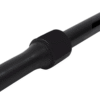
Key Features
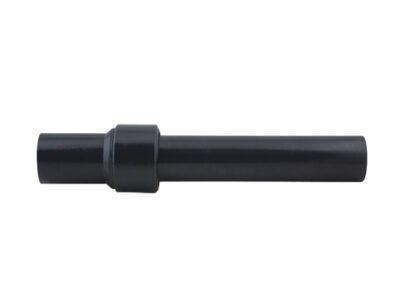
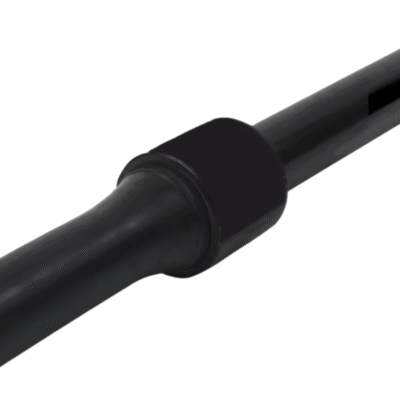
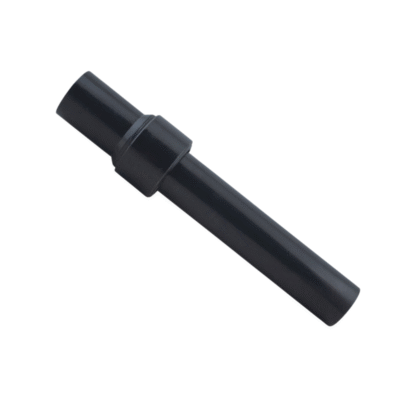
- Excellent corrosion resistance, suitable for buried installation and harshenvironments
- Smooth PE interior for low flow resistance
- Reliable steel end for threaded or welded connections
- Suitable for natural gas, potable water, industrial fluids, and multi-utility pipeline projects
- Manufactured under strict standards to ensure long-term stability
Applications
PE/Steel Transition Pipes are suitable for:
- Gas distribution networks
- Potable water supply systems
- Industrial fluid transportation
- Mining and irrigation projects
It is widely used where pipelines shift from underground HDPE lines to above-ground steel pipelines or equipment connections.
How It Works
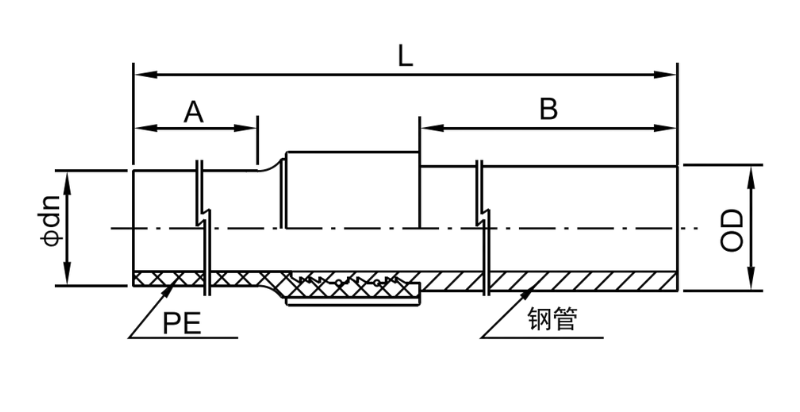
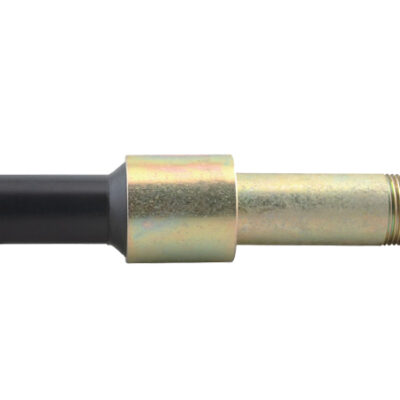
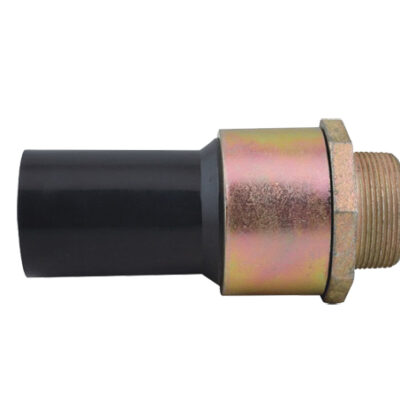
The transition pipe connects HDPE and steel pipelines through a bonded interface that prevents pullout or separation. The steel end can be welded or threaded to existing metal pipelines, while the PE end connects to HDPE pipes through:
- Electrofusion fittings
- Butt fusion welding
- Mechanical fittings (optional)
This design ensures a stable, corrosion-resistant and long-lasting connection.
Why Choose Xinda Plastic Pipe Co., Ltd PE/Steel Transition Fitting Series
- Over 24 years of HDPE fittings manufacturing experience.
- Complete product lines:Electrofusion Fitting Series、PE/Steel Transition Fitting Series、Socket Joint Series、Butt Fusion Fitting Series.
- High-precision copper wire embedding for consistent welding quality.
- In-house QC lab ensures every fitting is inspected and batch-traced.
- Comprehensive support for OEM and project supply.
- Technical team provides fusion guidance and project support.
- The transition joint is permanently bonded between the PE and steel ends, providing a solid, maintenance-free
- Each fitting undergoes strict pressure and leak tests to guarantee zero leakage and high sealing reliability under operating pressure.
- PE material resists corrosion, while the steel end is coated or galvanized for long-term durability, even in harsh environments.
- Suitable for gas distribution, water supply networks, petrochemical industries, and industrial pipelines requiring mixed-material transitions.
- The PE end connects easily by butt fusion or electrofusion, while the steel end connects by welding or threading, fitting diverse system designs.
 WhatsApp
